
HomeEuropeThe Mecca Pact: Saudi Arabia, Turkey, and Pakistan Forge New
Europe

The Mecca Pact: Saudi Arabia, Turkey, and Pakistan Forge New Security Axis

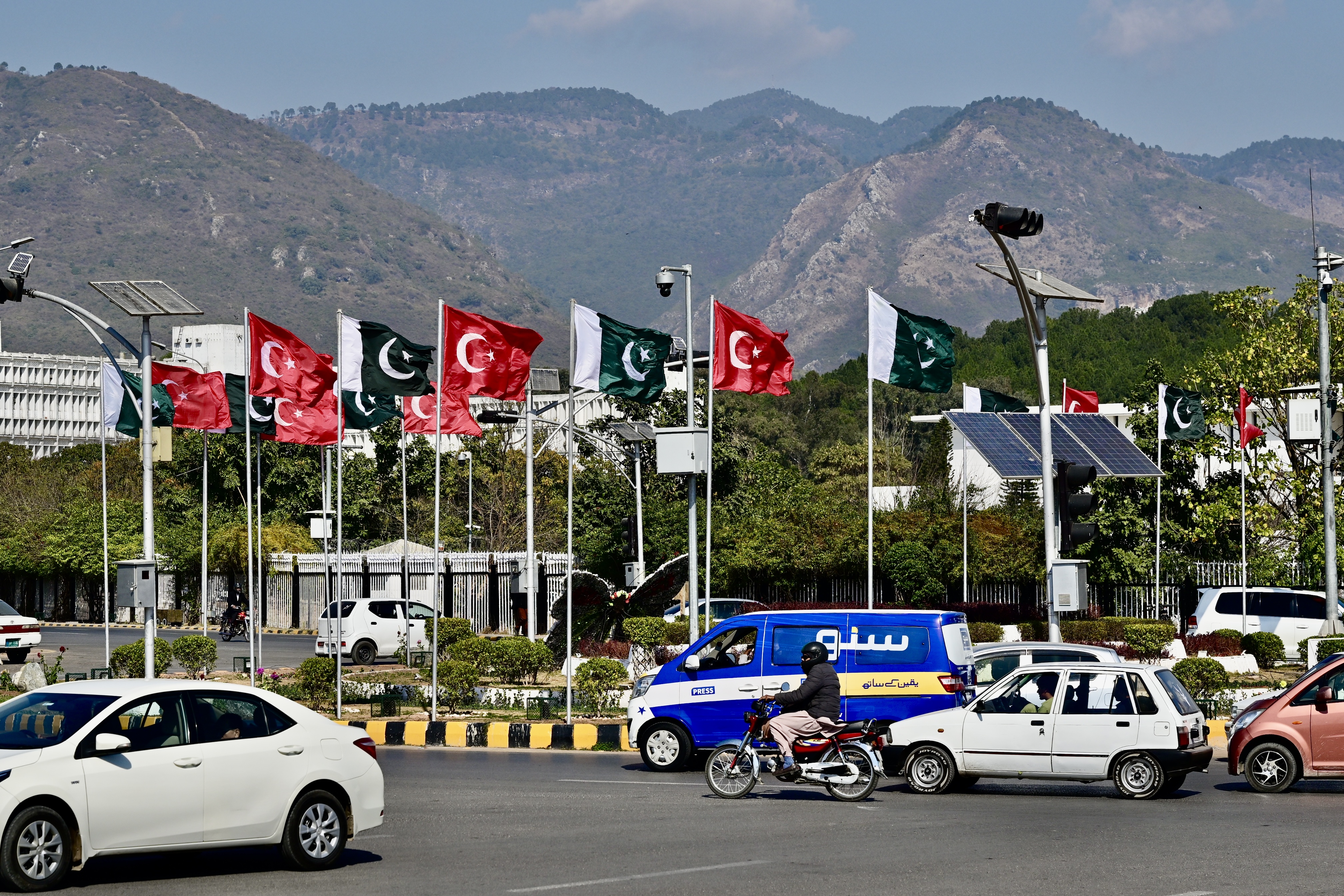
Saudi Arabia, Turkey, and Pakistan have formalized a trilateral defense agreement in Mecca, signaling a strategic hedge against regional volatility. By bridging the gap between Turkey’s military industrial capacity, Saudi financial influence, and Pakistan’s nuclear deterrent, the three nations are positioning themselves for a future less dependent on Washington’s security guarantees.

The Mecca Pact: Saudi Arabia, Turkey, and Pakistan Forge New Security Axis

The August 7 agreement draws inevitable comparisons to NATO, particularly regarding its mutual defense premise. Turkish Foreign Minister Hakan Fidan has signaled that the pact functions on the principle that an attack against one is an attack against all. However, unlike the Western alliance, the agreement lacks a unified command structure or clear protocols for military engagement. Instead, it relies on a new ministerial committee and a secretariat based in Saudi Arabia to coordinate regional deterrence efforts.

For Riyadh, the deal serves as a pragmatic response to the ongoing friction between the U.S., Israel, and Iran. Having faced persistent drone and missile threats, Saudi officials are diversifying their security architecture. While Iranian parliamentarian Ebrahim Rezaei dismissed the pact as a paper tiger, the move reflects a broader shift. Riyadh is no longer tethered to a singular reliance on U.S. protection, which has faced scrutiny during recent regional escalations. By integrating Turkey and Pakistan, Saudi Arabia is crafting a buffer that operates independently of the normalization pressures exerted by Washington.


Turkey stands to gain significant geopolitical leverage, expanding its influence from the Middle East into South Asia. By coupling its military strength—the second-largest in NATO—with the diplomatic weight of its partners, Ankara is actively shaping a new security order. Analysts like Allison Minor suggest that the pact serves as a branding exercise for Riyadh, which is positioning itself as a stabilizing force in contrast to the perceived aggression of Iran and Israel. Despite concerns in Tel Aviv, the agreement remains defensive in nature, keeping the door open for future diplomatic shifts should the Palestinian track see movement.

Comments (0)

Leave a comment

No comments yet. Be the first!