
The report, titled Unlocking California's Flexible Load, suggests that the infrastructure needed to stabilize the grid is already sitting in residents' driveways and garages. By standardizing how electric vehicles, batteries, and smart buildings interact with utility providers, the state could slash peak electricity demand. Research indicates that enrolling just 10% of projected electric vehicles into vehicle-to-grid programs by 2036 could deliver 9 gigawatts of storage—roughly one-third of the state’s long-duration storage procurement goal.
California looks to home EV chargers and batteries to lower power bills
California’s electric grid could save millions annually by turning millions of private electric vehicles and home appliances into a massive, coordinated virtual power plant. A new policy roadmap from GridLab, Kevala, and E3 argues that current fragmented utility programs are the primary barrier to this untapped energy potential.
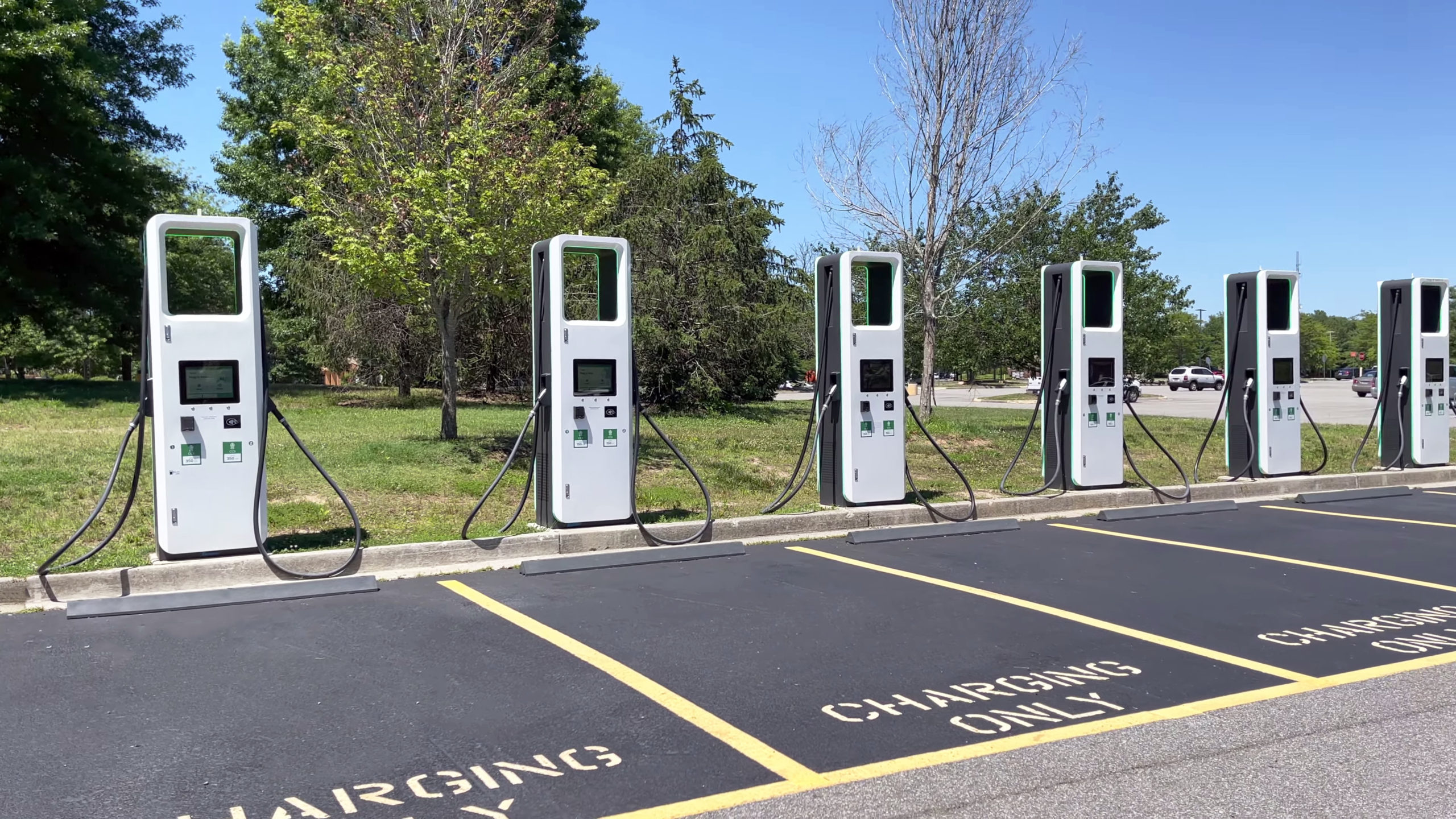
Currently, California’s demand flexibility landscape suffers from inconsistent rules that vary by utility, creating a confusing experience for consumers. Experts recommend shifting toward performance-based incentives that reward verified grid services rather than simple participation. According to Eric Cutter, a partner at E3, the goal is to ensure that these programs deliver measurable value to the system without shifting costs onto non-participating ratepayers. By aligning these incentives, the state aims to turn distributed energy resources into a foundational grid asset, ultimately lowering system-wide costs while supporting the ongoing transition to clean energy.




Comments (0)
No comments yet. Be the first!