
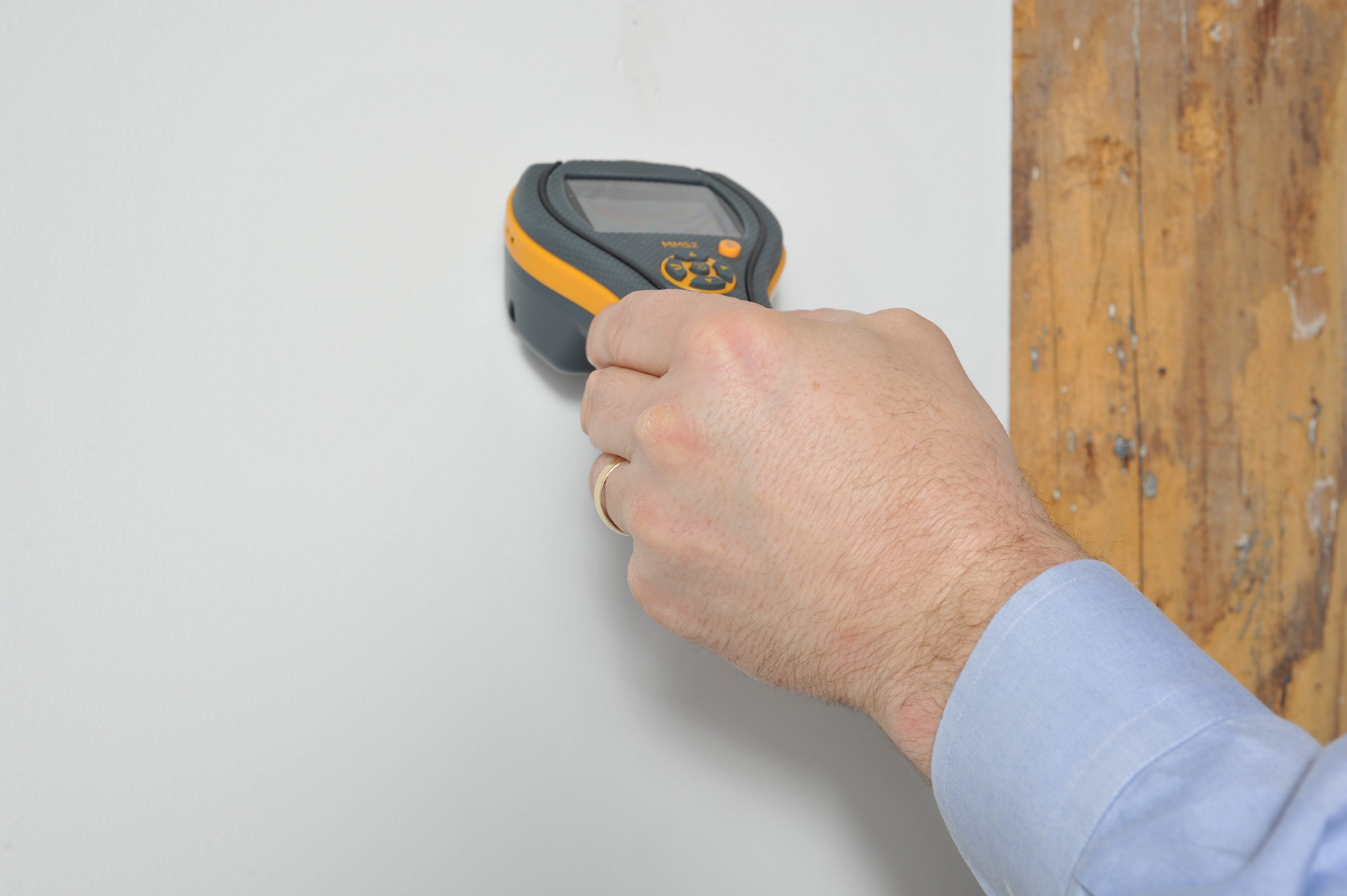
The primary danger in water damage recovery lies in the gap between visual dryness and actual material moisture content. While surface-level evaporation might suggest a property is recovering, water frequently migrates into subfloors, wall cavities, and cabinet structures. In humid climates like Fayetteville, ambient moisture levels often impede natural drying, meaning surfaces may feel dry to the touch while interior materials remain dangerously saturated.
This hidden moisture provides the perfect breeding ground for mold, which requires only moderate temperatures and sustained dampness to colonize wall cavities or spaces beneath flooring. By the time mold becomes visible on the surface, the infestation is often already widespread. To combat this, professionals employ specialized tools like moisture meters and thermal imaging to map water content without invasive demolition. These instruments allow for a precise, data-driven assessment of when materials have reached safe, dry thresholds.


Comments (0)
No comments yet. Be the first!