
The strike occurred 340 kilometers from the front line, targeting a facility designed to house heavy strategic bombers but currently serving as a primary launch point for Su-34 glide-bomb attacks. By neutralizing these aircraft on the tarmac, Kyiv has temporarily degraded Russia's offensive capacity, potentially preventing dozens of precision strikes against frontline positions. Satellite imagery clearly shows wreckage at positions two and five, with further fire damage recorded at stands one and six.
Ukraine’s Neptune strike cripples Russian airbase in Voronezh
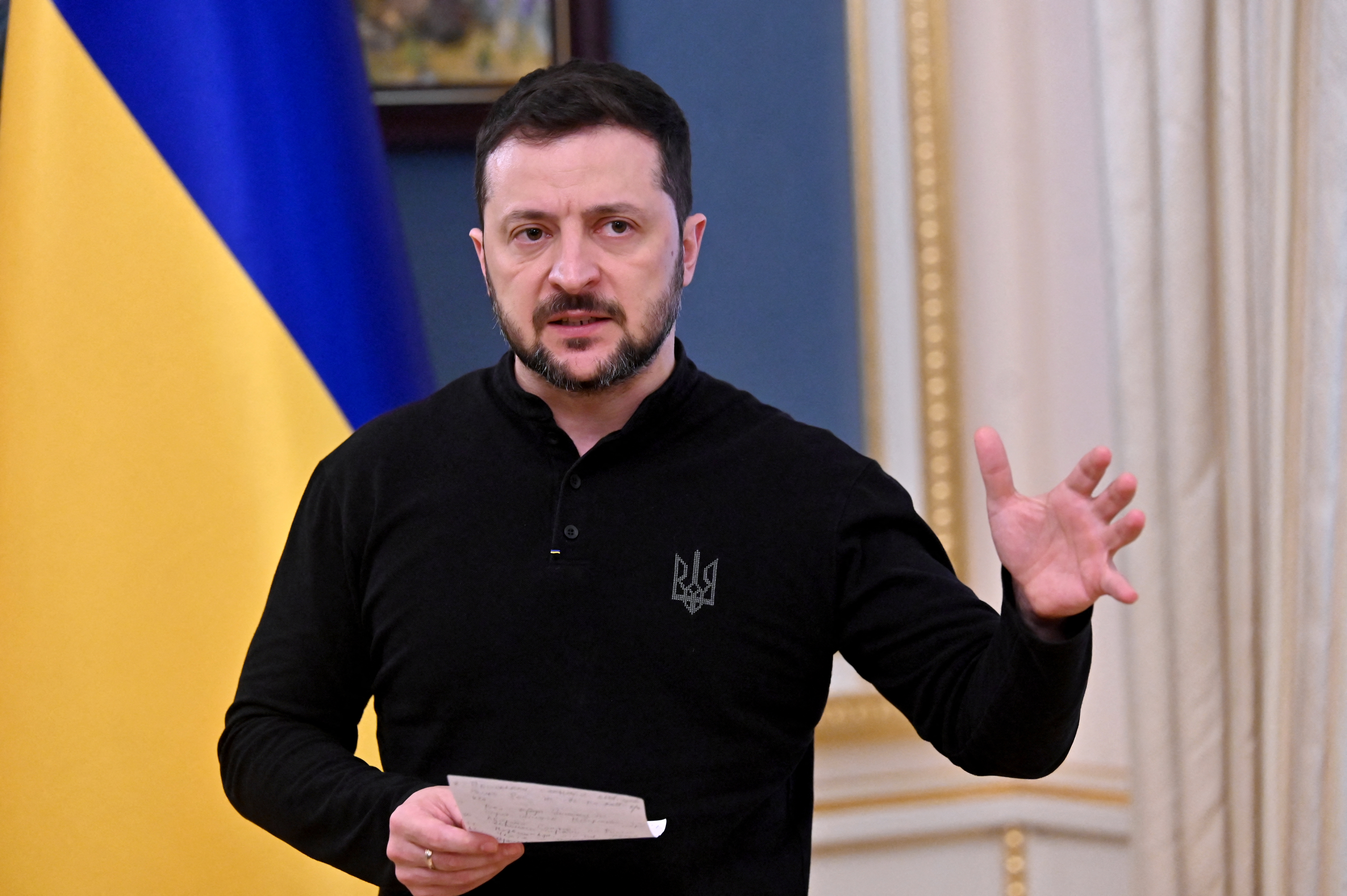
Ukrainian forces have executed a high-precision strike on the Borisoglebsk military airfield in the Voronezh region, successfully destroying four Su-34M strike aircraft and damaging two others. President Volodymyr Zelensky confirmed the operation, which utilized an upgraded Neptune missile system to penetrate deep behind Russian defensive lines.
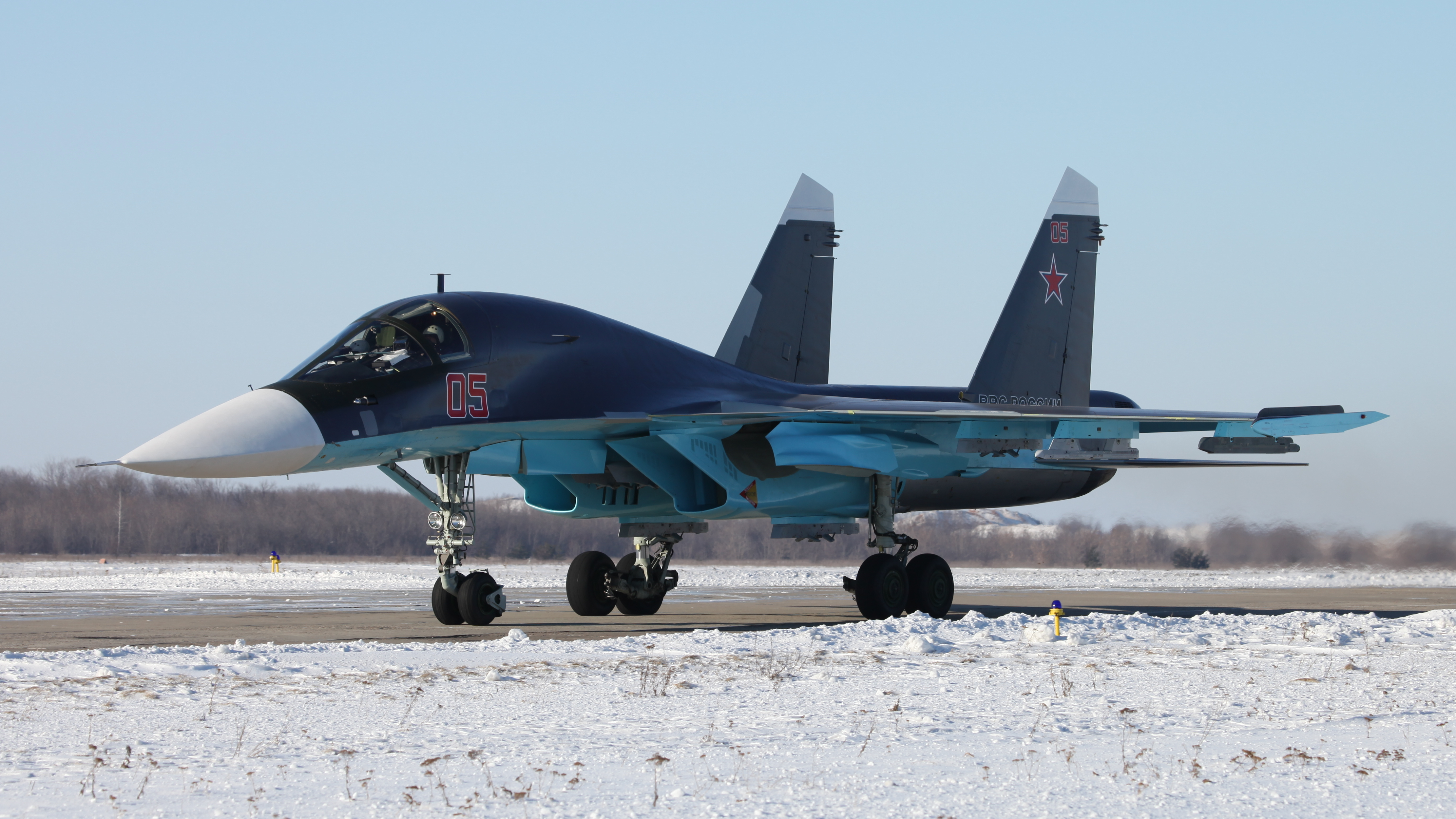
This mission highlights a significant tactical shift for the Neptune, originally a ship-killing missile that has been adapted to strike ground targets. Analysts note that the successful hit signals both highly accurate intelligence and a dangerously short response window for Russian ground crews. Despite internal criticism from Russian military bloggers regarding the lack of hardened shelters, the facility remains exposed. The loss of these six aircraft—roughly a quarter of Russia's annual production capacity—compounds the existing strain on an air fleet already suffering from extreme operational wear and tear.


Comments (0)
No comments yet. Be the first!