
The proposal, championed by German Chancellor Olaf Scholz and French President Emmanuel Macron, suggests that countries could gain access to specific EU structures and ministerial meetings as they complete parts of the EU acquis. Friedrich Merz, who initially floated the concept of associate membership, envisions a system where candidates participate in high-level policy discussions before acquiring full voting rights. The goal is to provide tangible incentives for nations stalled at the bloc's doorstep for over a decade.
The Gradual Path: EU Integration Faces Resistance from Candidates
Under the bright sunshine of Tivat, Montenegro, a new blueprint for European Union enlargement emerged as France and Germany proposed a tiered integration model. By offering candidate nations associate membership status, leaders hope to bypass the decade-long waiting rooms, though the initiative faces pushback from those seeking full, unconditional entry.
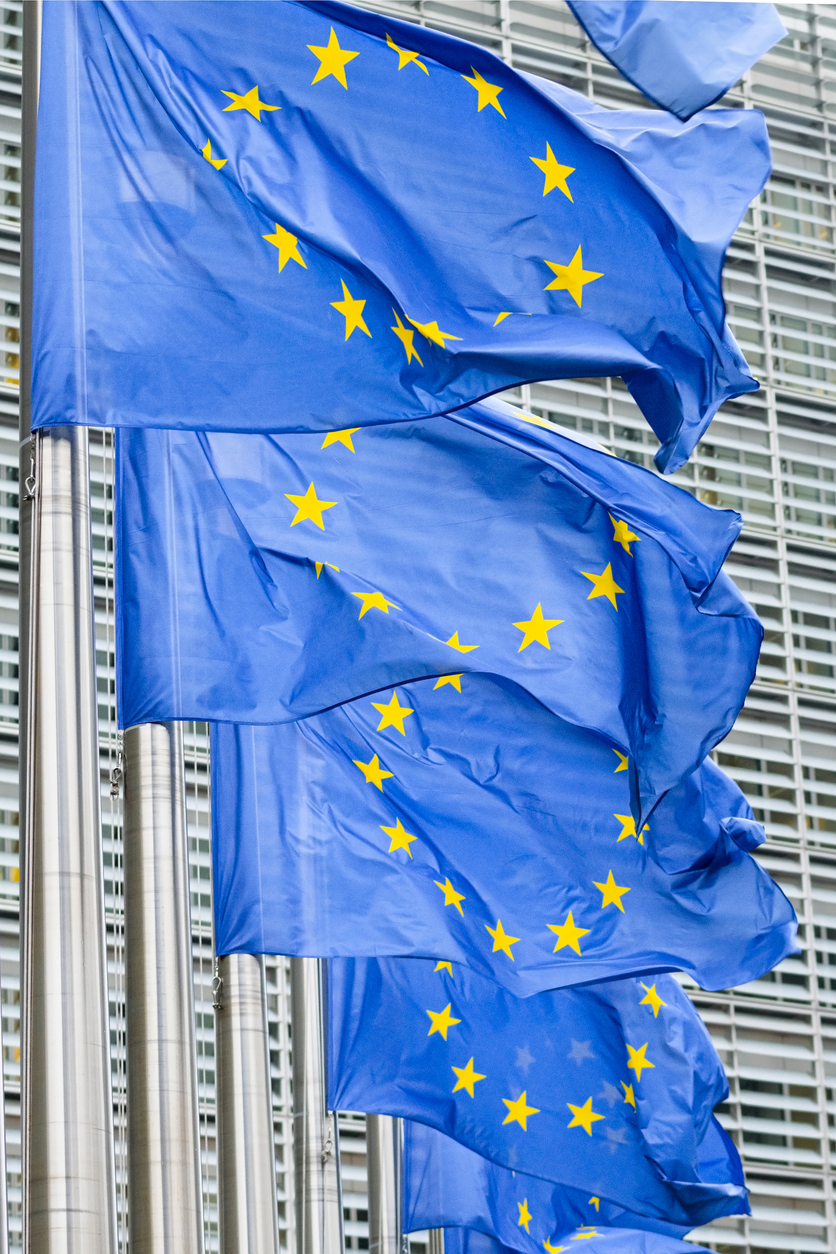
Reactions among candidate countries remain sharply divided. While Albanian Prime Minister Edi Rama views these intermediate steps as constructive, Montenegro’s President Jakov Milatović remains wary, as his nation is already drafting an accession treaty with an eye toward full membership by 2028. Conversely, Ukrainian President Volodymyr Zelensky has dismissed the proposal, maintaining that Ukraine requires a legally binding treaty rather than symbolic participation. For Kyiv, the security implications of full integration outweigh the benefits of institutional observation, especially given their existing deep economic ties to the single market.

Comments (0)
No comments yet. Be the first!