
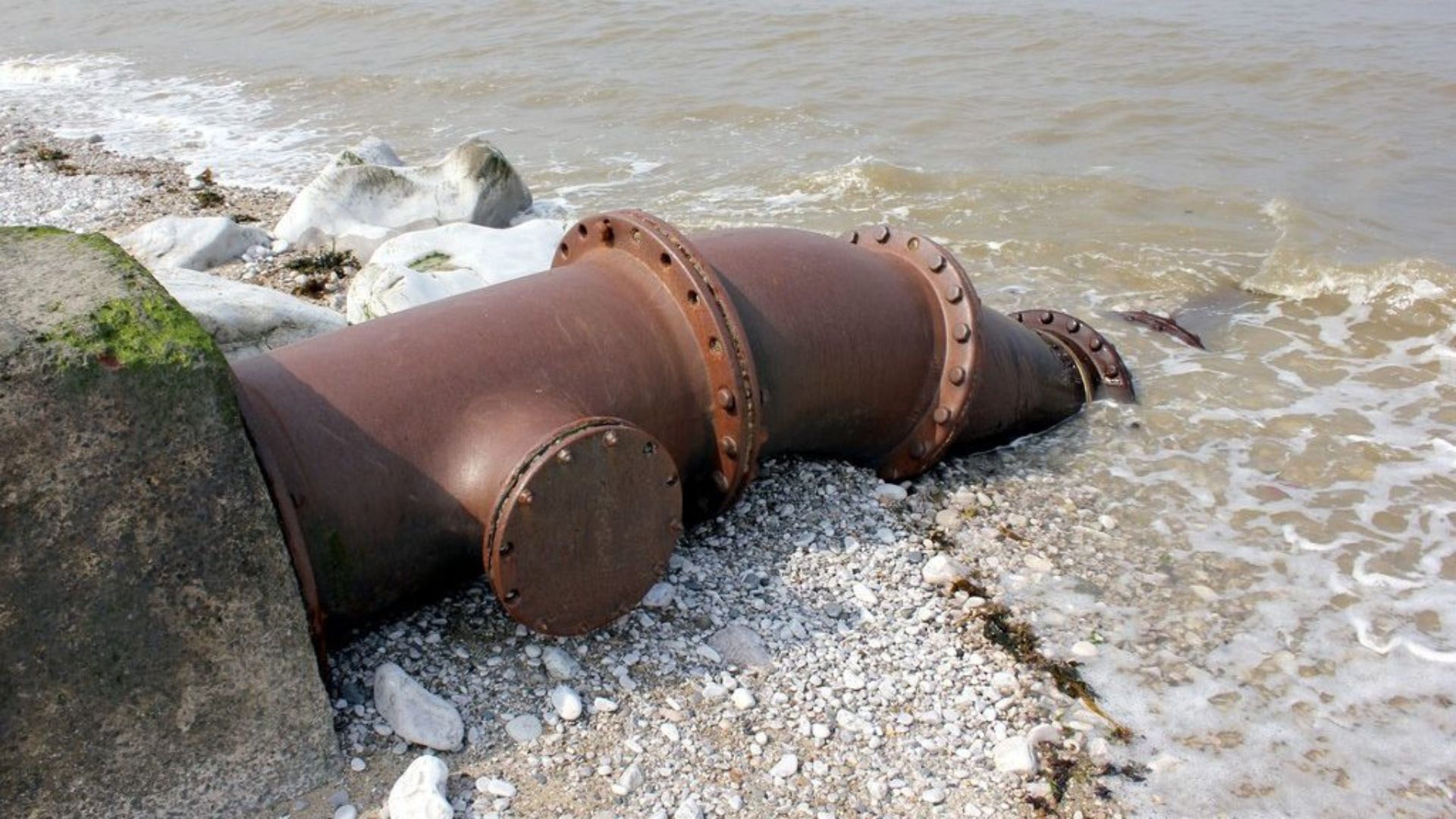
While global conservation efforts frequently center on plastic waste and overfishing, nearly half of the world's wastewater enters ecosystems untreated. This contamination ravages coral reefs, fisheries, and coastal communities, creating a transboundary crisis that no single nation can manage in isolation. Jasmine Fournier, Executive Director of the Ocean Sewage Alliance, emphasizes that ocean protection is functionally impossible while billions of gallons of raw sewage continue to flow into waterways daily.
Kenya, the host of this year’s conference, serves as a stark case study for the scale of the problem. Research indicates that only 11% of the country's wastewater is treated, resulting in a 5.1% decline in its fisheries economy and over $65 million in annual losses linked to waterborne diseases. Scientific findings further suggest that Marine Protected Areas—the bedrock of the 30x30 conservation pledge—are being actively undermined by poor wastewater management, particularly across East Africa.



Comments (0)
No comments yet. Be the first!