
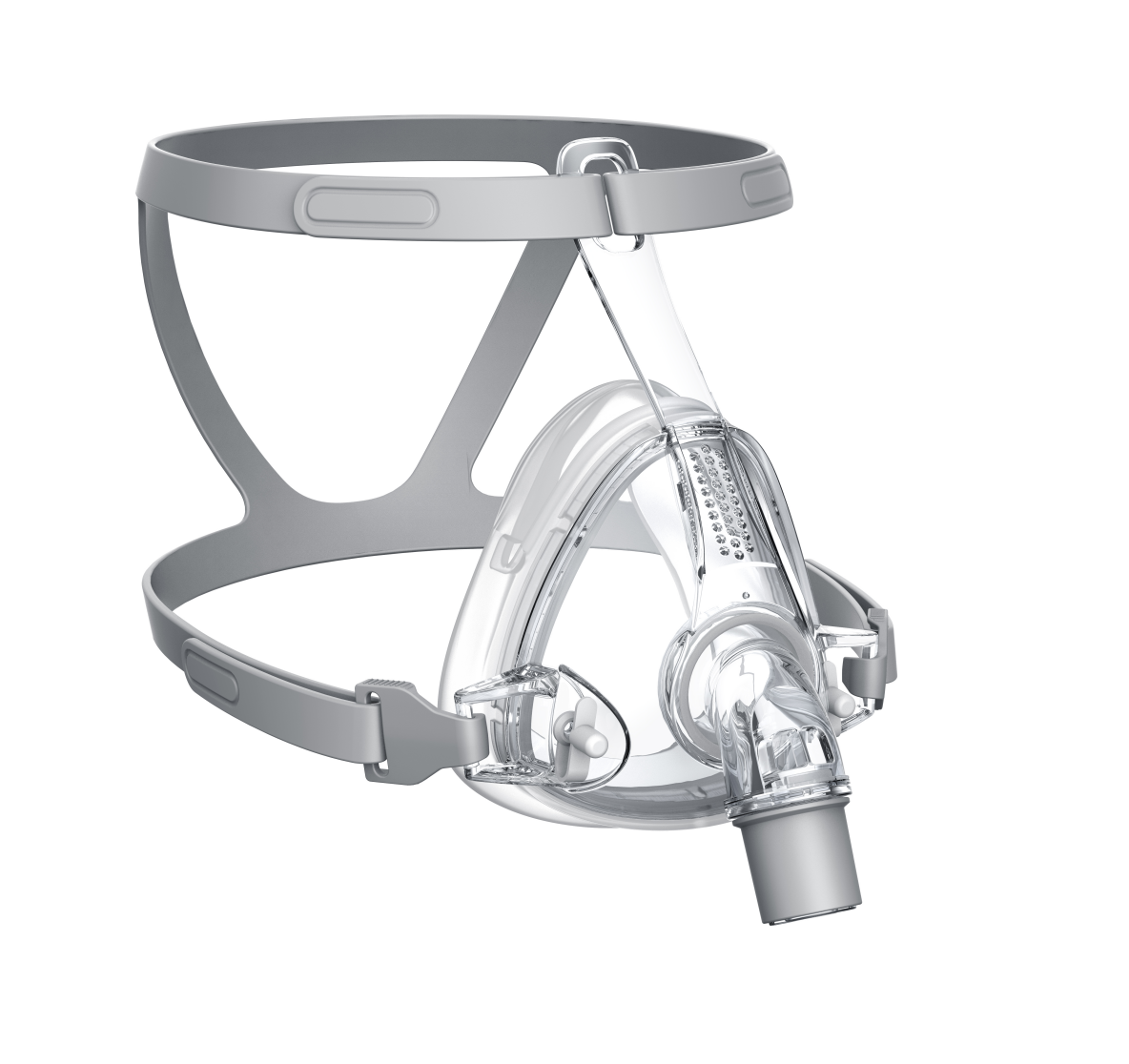
CPAP therapy remains the medical standard for moderate to severe obstructive sleep apnea. By delivering a continuous stream of pressurized air through a mask, the device physically forces the airway to remain open throughout the night. While highly effective at preventing breathing interruptions, the system often faces hurdles regarding patient compliance. Issues like equipment noise, mask fit, and air leaks can lead to inconsistent use, which directly compromises the treatment's ability to mitigate fatigue and improve long-term health outcomes.
Oral appliance therapy offers an alternative for those with mild to moderate conditions or those who simply cannot tolerate the constraints of a CPAP machine. These custom-fitted devices work by gently shifting the jaw forward to prevent soft tissue from collapsing and blocking the throat. Because they require no airflow or bulky equipment, they are often perceived as a more portable and comfortable solution. Success with this method relies on precise jaw alignment, necessitating ongoing adjustments by trained professionals like Dr. Spoont to ensure both comfort and efficacy.


Comments (0)
No comments yet. Be the first!