
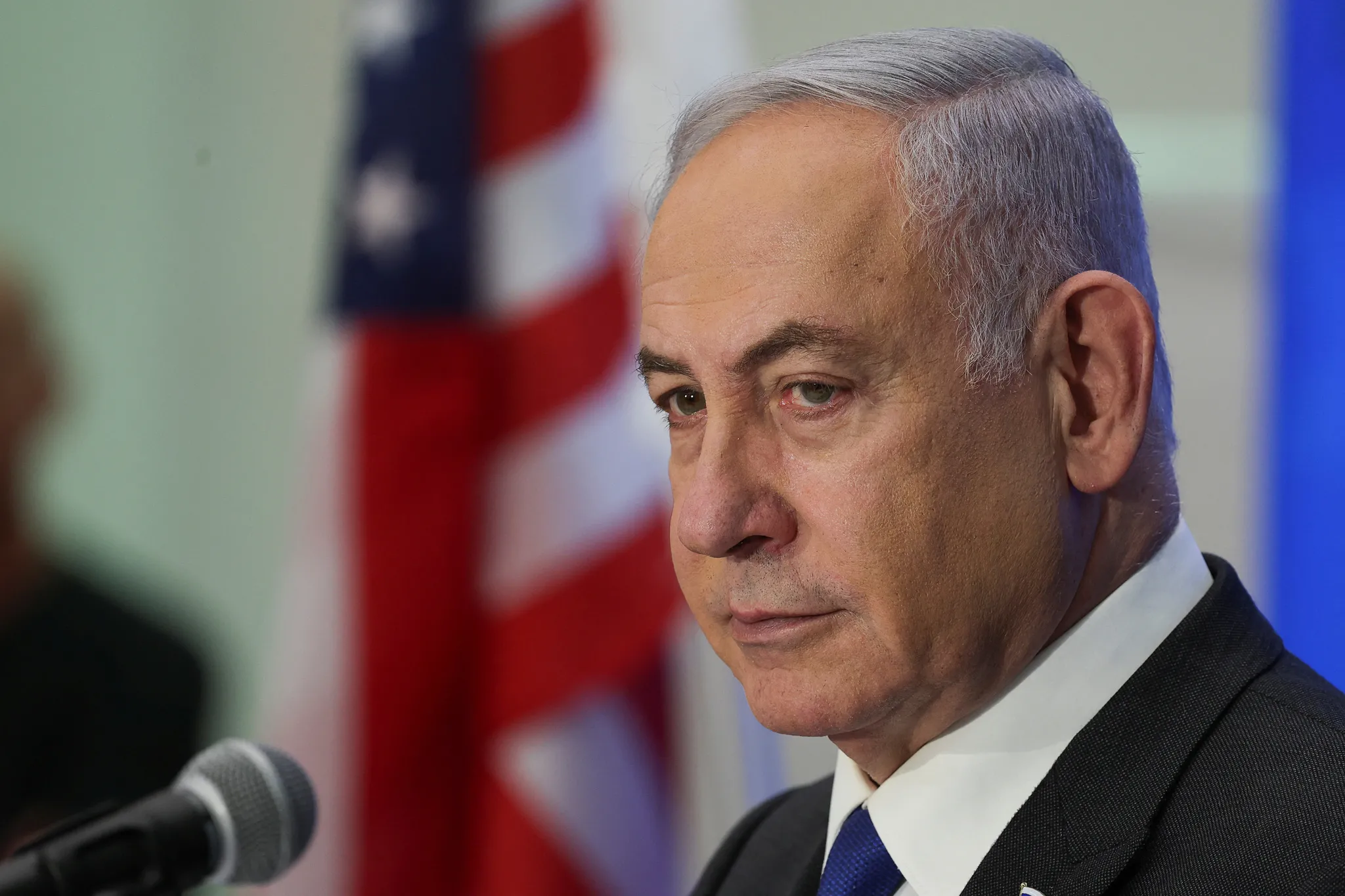
The strategic divergence between Israel and Europe has moved beyond temporary political friction. Under the current cabinet led by Benjamin Netanyahu, alongside ministers like Itamar Ben-Gvir and Bezalel Smotrich, Israel is actively pursuing a policy of annexation and resettlement. This shift has transformed the traditional understanding of border security into an expansionist project that now spans Gaza, Syria, and Lebanon. In Jerusalem, this is viewed as a generational opportunity to reorder regional power, a goal that stands in direct opposition to European security interests.
Adding to this tension is the open hostility toward Turkey. Former Prime Minister Naftali Bennett and Defense Minister Israel Katz have explicitly framed Ankara as the successor to Iran as a primary regional threat. This rhetoric has moved from diplomatic insults to dangerous military posturing, with Israeli and Turkish aircraft shadowing one another over Syria. For Europe, the challenge is profound: it is being asked to reconcile its commitment to international law with the reality of a key Nato ally being cast as a hostile target by a partner state.



Comments (0)
No comments yet. Be the first!