
Hidden leaks often lurk behind walls, beneath flooring, or under foundations, remaining invisible until they cause costly destruction. Manuel emphasizes that monitoring monthly water usage is critical; when consumption remains steady but costs climb, a compromised system is likely to blame. Interior indicators such as bubbling paint, soft drywall, or persistent musty smells frequently point to moisture trapped in enclosed spaces, creating a breeding ground for mold.
Hidden Water Leaks: Expert Tips for Early Detection
A rising water bill is often the first silent alarm for homeowners, according to Baton Rouge plumbing expert David Manuel. Writing for HelloNation, Manuel identifies the subtle physical and auditory clues—from musty odors to phantom running water—that signal a hidden leak before it causes significant structural damage to a property.
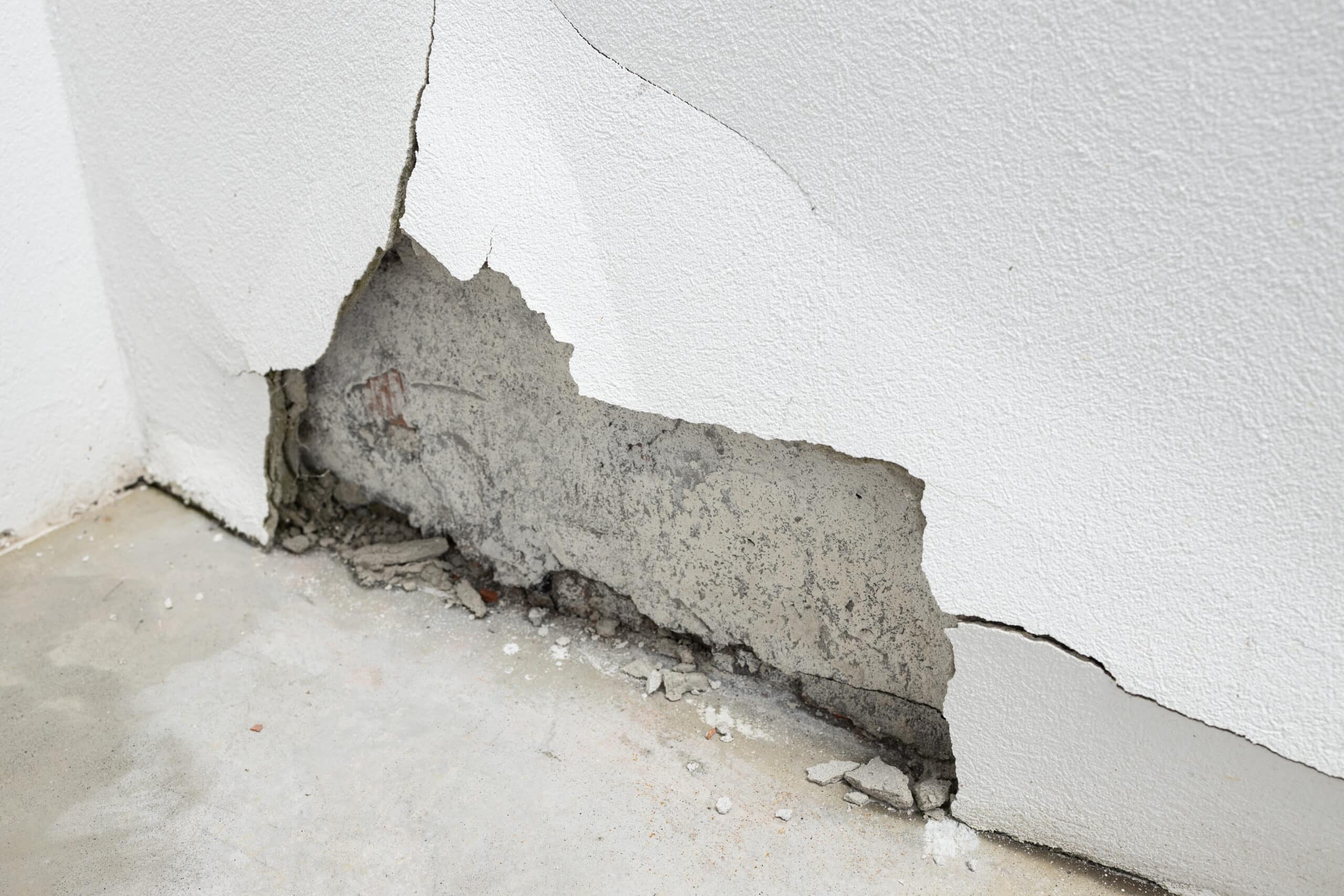
Auditory and physical cues provide further warnings. Homeowners should listen for the sound of running water when all fixtures are closed, as this often reveals a breach behind walls. Similarly, surface changes like warped wood or loose tiles suggest saturation from below. Outdoor signs, including unexplained soil erosion, pooled water, or patches of exceptionally green grass, can indicate underground failures. In regions like Baton Rouge, local factors such as humidity and shifting soil further elevate these risks, making proactive inspections of sinks, appliances, and water heaters essential for long-term property protection.




Comments (0)
No comments yet. Be the first!