
For years, the intersection of chess and Russian statecraft has been an open secret within the professional circuit. Nielsen recounts seeing Kremlin figures like Dmitry Peskov appearing at championship matches, while Russian oligarchs and officials—including figures like Andrey Guryev and Moscow Mayor Sergei Sobyanin—frequently occupy VIP roles at FIDE events. This visibility, Nielsen suggests, serves a clear purpose: the Kremlin views chess not as a niche pursuit, but as a prestigious platform for international legitimacy and diplomatic maneuvering.
Inside the Kremlin’s long game for control of global chess
Peter Heine Nielsen, longtime coach to world champion Magnus Carlsen, argues that the Russian elite has systematically weaponized the global chess circuit to project influence. From Kremlin-backed back-channels to the presence of high-profile political figures at FIDE events, chess has become a strategic theater for Russian soft power.
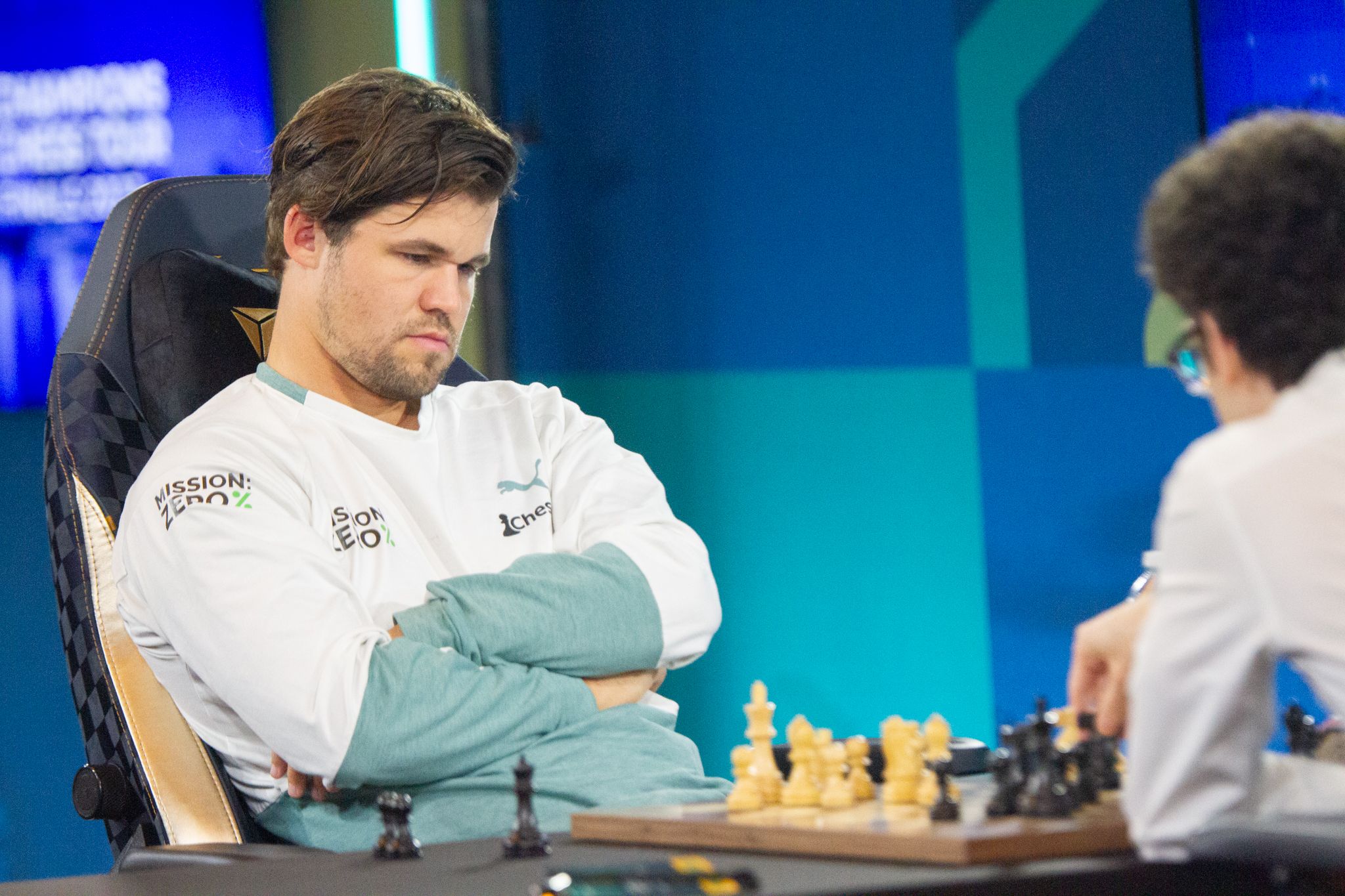
At the center of this dynamic is FIDE president Arkady Dvorkovich. While he maintains he is merely performing his duties, his tenure has been marked by a close alignment with Russian interests, even amid the backdrop of the war in Ukraine. Nielsen notes that while Magnus Carlsen typically avoids political commentary, his rare intervention at the 2024 FIDE general assembly—where he publicly opposed the readmission of Russian teams—highlighted the widening rift between the sport’s leadership and its top players. With the Russian Chess Federation continuing to organize events in occupied Ukrainian territories, Nielsen argues that external pressure, such as EU sanctions on leadership, is the only viable path to curbing the influence that Moscow continues to exert over the global board.



Comments (0)
No comments yet. Be the first!