Chancellor Friedrich Merz previously dismissed the possibility of reviving nuclear power, citing the phase-out as an irreversible decision. However, internal pressure within his party and the rising influence of the far-right AfD—which openly champions nuclear energy—have forced a reassessment. The German government is now advocating for flexibility in how EU member states reach climate objectives, suggesting that low-carbon technologies like nuclear power and carbon capture should count toward long-term goals alongside renewables.
Germany’s Nuclear Dilemma: A Policy Reversal in the Making
A leaked document reveals that Berlin is pushing to include nuclear energy in the European Union’s 2040 climate targets. This shift marks a significant departure from the government's previous stance, signaling that the nuclear taboo in Germany is finally beginning to fracture under the pressure of shifting political and energy realities.
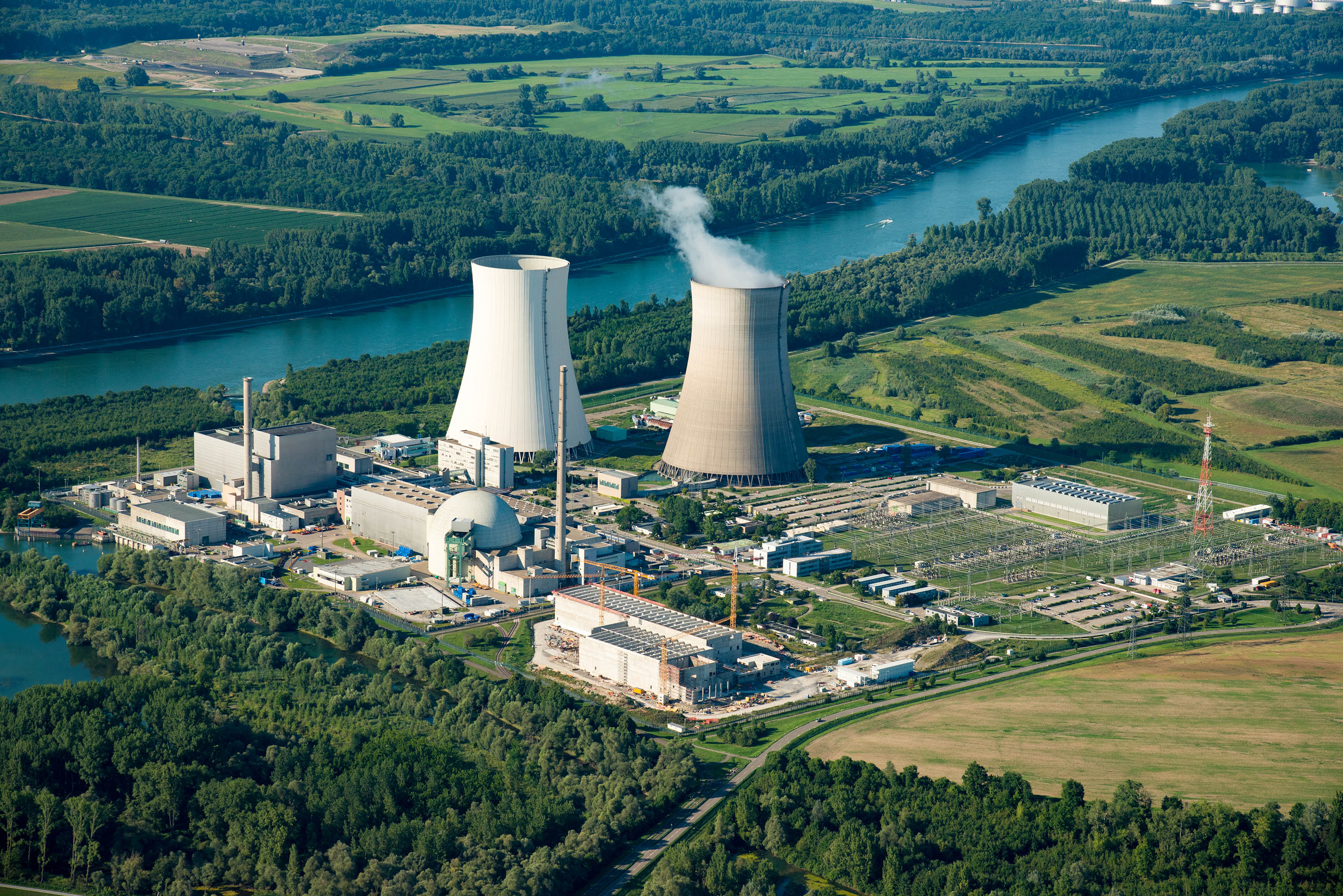
This proposal aligns with a broader European trend toward energy diversification. While countries like Italy and Poland move to establish or revive nuclear programs, the shift is driven largely by the energy crisis that followed Russia’s invasion of Ukraine. The volatility of fossil-fuel prices has made nuclear power an attractive, if controversial, alternative for energy security. Yet, significant hurdles remain. Projects like France’s Flamanville reactor, which saw costs balloon from 3 billion to 23 billion euros, highlight the massive financial risks and long timelines associated with nuclear infrastructure. Beyond costs, concerns over waste management, safety, and continued reliance on foreign uranium suppliers—including Russia—ensure that the debate over Germany’s energy future remains far from settled.

Comments (0)
No comments yet. Be the first!