
Major defense contractors, including Lockheed Martin and Northrop Grumman, are reporting record backlogs as demand for precision strike and rapid-response capabilities accelerates. However, the hardware for these systems—ranging from avionics to advanced materials—requires rigorous validation at Mach 2+ speeds in real atmospheric conditions. While ground facilities remain essential, they struggle to replicate the sustained vibration and weather factors that occur during actual flight.
Hypersonic Testing Faces a Bottleneck as Flight Capacity Shrinks
The global hypersonic market is projected to reach $1.15 billion by 2030, but the industry faces a critical infrastructure gap: traditional wind tunnels cannot simulate the long-duration conditions required for modern missile development. Developers are now turning to airborne platforms to bypass the seconds-long limitations of ground-based testing facilities.
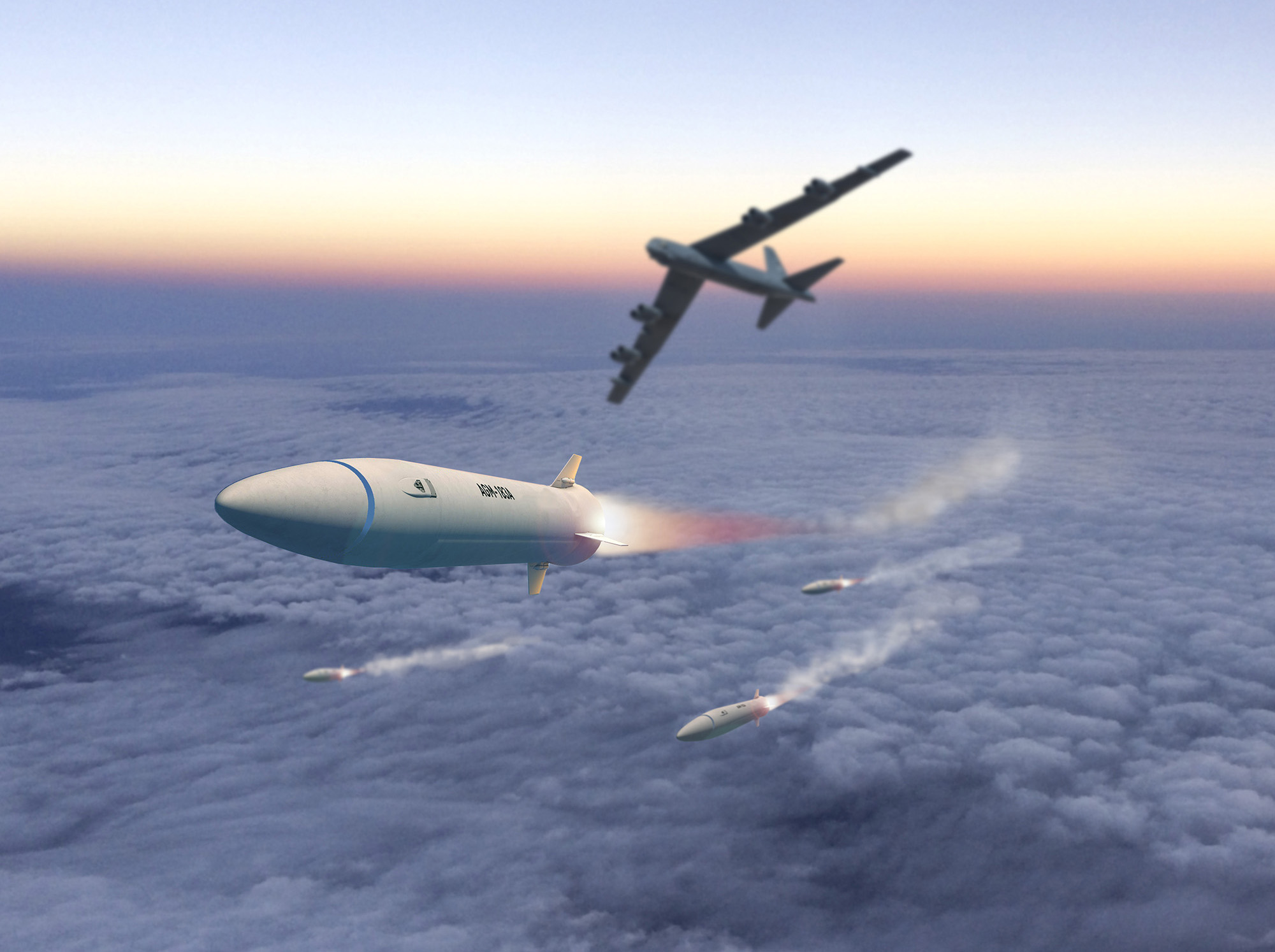
Starfighters Space is attempting to bridge this gap with its Wind Tunnel in the Sky program. The company recently completed the first flight hardware for its reusable testing platform, which is designed to integrate with its fleet of F-104 aircraft. By utilizing modular flight articles that fit existing underwing pylons, the firm aims to provide a flexible testing environment that extends beyond the fleeting windows of standard wind tunnels. The hardware, produced in collaboration with Italy's Robby Moto Engineering, is currently moving toward assembly at NASA’s Kennedy Space Center for future captive-carry evaluations.




Comments (0)
No comments yet. Be the first!